Basement Waterproofing NJ: Cost Factors and Budget Planning Tips
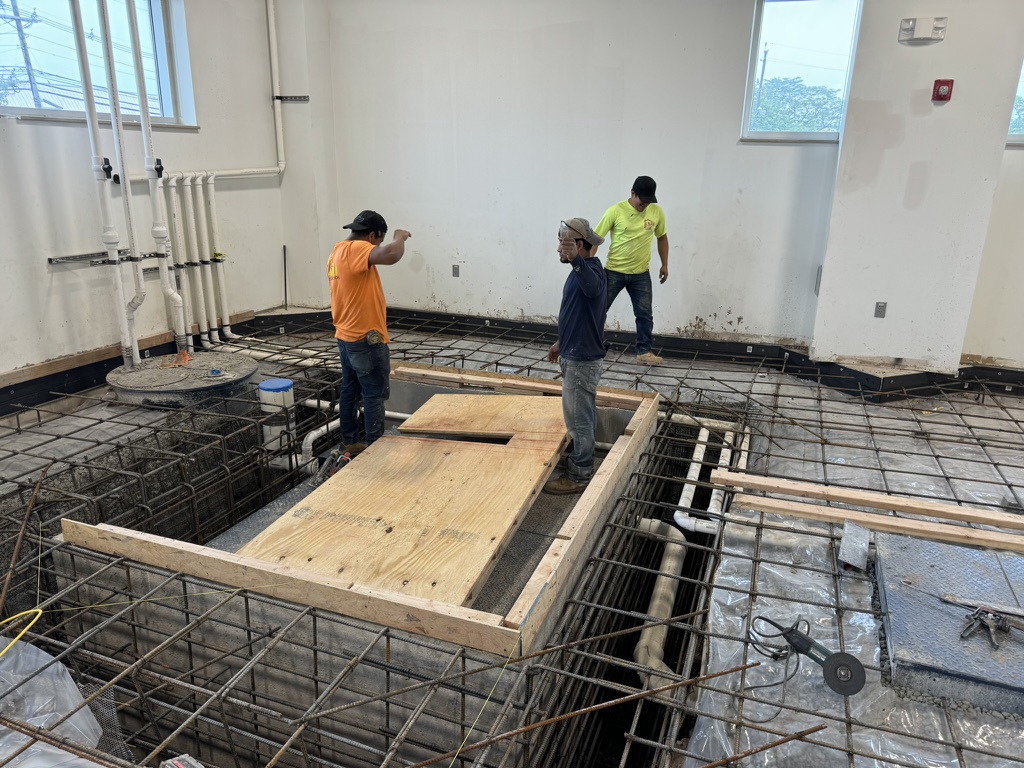
A damp basement in New Jersey rarely stays a small problem for long. What starts as a musty smell after a storm can turn into peeling paint, damaged flooring, mold growth, and in some cases a cracked foundation wall that costs far more to repair than the original water issue. Homeowners often call after the first visible leak, but just as often they call after trying a dehumidifier, a coat of waterproof paint, or a quick patch that bought them one season and no more.
The hard part is not only choosing a fix. It is understanding what you are actually paying for. Basement waterproofing can mean several very different jobs, from a targeted crack injection to a full interior drainage system with sump pump backup, or even excavation and exterior membrane work. In New Jersey, those differences matter because soil conditions, older housing stock, heavy rains, coastal moisture, and freeze-thaw cycles all shape what works and what fails.
If you are trying to budget for Basement Waterproofing NJ services, the smartest move is to think less about a single price tag and more about cost drivers. Once you know what pushes the number up or down, you can compare estimates with a clearer eye and avoid spending on the wrong solution.
Why New Jersey basements are especially prone to water trouble
New Jersey presents a mix of conditions that keep waterproofing contractors busy year-round. In North Jersey, many homes sit on older foundations, sometimes stone or aging block, with decades of settlement and repairs layered over time. In Central Jersey, clay-heavy soils can hold water and press hard against foundation walls after rain. Near the shore, high water tables and salt air add their own complications. Across the state, intense storm events can dump enough water in a short window to overwhelm grading, gutters, and perimeter drains that looked fine during normal weather.
A basement does not need standing water to have a waterproofing problem. Hydrostatic pressure, which is the force of groundwater pushing against the foundation, can drive moisture through tiny cracks, porous concrete, and wall-floor joints. That is why a basement can feel damp even when you never see a puddle. The signs may be subtle at first: white chalky residue on the wall, rust on metal shelving, a persistent odor, warped trim, or small dark spots in corners.
These local conditions affect cost because they affect scope. A basement taking on a little seepage through one crack is a different project from a below-grade space that becomes humid every summer because groundwater and poor exterior drainage are both at work.
The biggest cost factors homeowners should understand
Most basement waterproofing estimates are built around diagnosis, access, labor, materials, and risk. The final number reflects not only what has failed, but how difficult it is to correct in a lasting way.
Here are the main variables that tend to drive pricing:
- Source of water: Surface runoff, rising groundwater, wall cracks, wall-floor seepage, window well leaks, and plumbing leaks each require different responses.
- Extent of damage: A preventive job in an unfinished basement usually costs less than waterproofing after drywall, flooring, insulation, or stored contents have already been damaged.
- Chosen method: Crack repair, sump installation, interior French drain systems, exterior excavation, and foundation repair sit in very different price ranges.
- Basement size and access: More linear footage means more labor and materials, and tight access can slow everything down.
- Pump and backup requirements: In storm-prone areas, a battery backup or water-powered backup can be less of an upgrade and more of a necessity.
Those points sound simple, but each one can shift a proposal by thousands of dollars.
The source of water changes everything
One of the most common mistakes homeowners make is assuming all basement water is basically the same. It is not. If water is entering at the cove joint, where the wall meets the slab, the answer often points toward hydrostatic pressure and an interior drainage path. If water is entering through a vertical crack in poured concrete, a resin injection may solve the problem if the crack is stable. If the issue appears only after wind-driven storms, the culprit may be grading, downspout discharge, or a failing window well drain rather than the foundation itself.
I have seen basements where the homeowner was ready to spend on a full perimeter system when the real issue was two downspouts dumping roof water right next to the house. I have also seen the opposite: a homeowner spent a few hundred dollars extending downspouts, only to learn the real problem was groundwater pressure under the slab. Surface fixes help surface water. They do not stop subsurface intrusion.
That is why the initial inspection matters so much. A good estimator should ask when the water appears, where it first shows up, whether it changes with season, and what the basement smells and feels like even when it is dry. They should look outside as carefully as they look inside.
Typical waterproofing methods and where the budget usually lands
Costs vary by county, contractor, house age, and complexity, so exact numbers can be misleading. Ranges are more useful.
A basic crack injection in a poured concrete wall may run from a few hundred dollars to around $1,500 per crack depending on width, length, accessibility, and whether prep or finish work is needed. This can be a sensible fix when the problem is isolated and the rest of the basement is dry.
A sump pump installation often starts in the low thousands once you include the pit, pump, discharge line, and labor. Add a battery backup and the number rises. In New Jersey, where outages can coincide with major storms, the backup is often one of the most practical dollars spent on the whole job. A dead pump in a blackout does not help anyone.
An interior drainage system, sometimes called an interior French drain though methods vary by contractor, usually involves cutting the slab perimeter, installing a drainage channel or pipe, directing water to a sump basin, and then restoring the concrete. On a modest basement, this can land somewhere in the mid-thousands. In larger or more complex basements, or when wall vapor barriers and multiple pump points are included, it can climb well beyond that.
Exterior waterproofing is usually the expensive end of the spectrum. Excavation, wall cleaning, membrane application, drainage board, footing drain correction, and backfill all add labor and equipment cost. If decks, patios, AC units, shrubs, or walkways are in the way, the budget goes up. Exterior work can be the right answer, especially when foundation walls are deteriorating or drainage is failing outside, but it is rarely the cheapest route.
Foundation repair introduces another cost tier entirely. If water intrusion is tied to bowing walls, major settlement, or structural cracking, waterproofing and structural stabilization may need to happen together. That is not where any homeowner wants the project to go, but separating the two can be a false economy.
Interior versus exterior systems, and why cheaper is not always cheaper
Homeowners often ask whether interior waterproofing is a “real fix” or just water management. The honest answer is that it depends on the problem. An interior system manages water once it reaches the foundation perimeter, relieving pressure and directing it safely out. It does not stop exterior soil from getting wet. Yet in many New Jersey homes, especially where excavation would be disruptive or prohibitively expensive, interior drainage is the most practical, durable solution.
Exterior systems aim to stop water before it enters. When executed well, they can https://caidenivgf808.novacrestiq.com/posts/basement-waterproofing-nj-for-multi-family-and-single-family-homes be excellent. But they are invasive, weather-sensitive, and sometimes unnecessary if the main issue is under-slab pressure rather than a failed exterior membrane. Paying more for exterior work does not automatically mean you bought the better fix. It may mean you bought the broader fix.
This is where experience matters. A contractor who only sells one system tends to see every basement through one lens. A more diagnostic approach often reveals whether the house needs water interception, structural repair, surface drainage correction, humidity control, or some combination.
House age, foundation type, and finish level affect the number
A clean, unfinished basement is cheaper to diagnose and usually cheaper to work in. There is less demolition, less protection of finished surfaces, and fewer surprises hidden behind walls. A finished basement with carpet, framing, insulation, baseboards, and custom built-ins can add substantial labor before the waterproofing work even starts. Sometimes the contractor includes limited demo. Sometimes that falls to the homeowner or a separate crew. You want that clarified up front.
Foundation type matters too. Poured concrete walls behave differently from concrete block or older stone foundations. Block walls can allow water migration through cores and mortar joints. Stone foundations often need a more nuanced approach because they are irregular and may not respond well to cosmetic patching. Older homes can also come with shallow footings, additions built at different times, or previous repairs that complicate current work.
In parts of New Jersey, it is common to find a house that has been “improved” by several owners over 50 or 80 years. A bathroom added in the basement, a replaced section of slab, old drain lines rerouted without much documentation, and one wall painted repeatedly to hide staining. Every unknown behind those layers adds uncertainty, and uncertainty usually shows up in price.
Permits, code expectations, and local practicalities
Not every waterproofing job requires the same permitting, and practices vary by municipality. Pump discharges, electrical work for sump systems, and structural repairs can trigger code requirements. A reputable contractor should know what applies in your town or at least tell you what to verify. If an estimate looks suspiciously low, one reason can be that permit-related costs, disposal fees, electrical upgrades, or restoration are not included.
Discharge location is another New Jersey-specific practical issue. You need the water taken far enough from the house to avoid recycling it back toward the foundation or icing over walkways in winter. In densely built neighborhoods, finding the best discharge path can take some planning. This sounds like a small detail until you see a system that technically works but creates a frozen hazard or saturates the same corner of the lot.
The hidden costs people forget to budget for
The waterproofing line item is not always the whole project cost. A damp basement often leaves a trail of secondary expenses. Mold remediation may be needed if moisture has lingered in insulation or behind finished walls. Flooring replacement can become part of the job if carpet or laminate has absorbed moisture. Storage may need to be moved off-site for a week. If you work from home and your office is in the basement, downtime has a cost too, even if it does not appear on the invoice.
Then there is prevention. A proper dehumidifier, gutter corrections, downspout extensions, grading adjustments, and window well covers may all be advisable after the main waterproofing work. None of those items should be confused with a substitute for foundational repairs, but they can be important supporting measures.
One homeowner I know budgeted carefully for an interior drainage system and then got caught off guard by the finish work. The system solved the water issue, but the bottom two feet of finished walls had to come out and be rebuilt. The waterproofing estimate was fair. The total project still exceeded expectations because the owner only planned for the waterproofing itself, not for what had to happen around it.
When the lowest estimate is the most expensive choice
Price shopping is natural, especially when quotes come in several thousand dollars apart. But basement waterproofing is one of those trades where a low number can hide a weak diagnosis. If one company proposes a single crack repair and another recommends a perimeter system, that is not just a price difference. It is a disagreement about the cause of the problem.
Look closely at what each contractor believes is happening. Are they solving entry points, pressure, and discharge, or just sealing visible symptoms? Are they addressing power backup for the pump? Are they specifying who handles debris, concrete patching, and cleanup? Is the warranty clear about what is covered and what maintenance is required?
A surprisingly low price can also mean the contractor is leaving you with a partial system. For example, a sump without adequate discharge line design, or drainage installed on one wall when water patterns suggest the basement needs more comprehensive coverage. Partial work can make sense when the problem is truly localized. It is costly when it only delays the larger job by one wet season.
Practical ways to budget without cutting the wrong corners
Basement waterproofing is not a glamorous purchase. No one invites friends over to admire a sump basin. But it protects the house, preserves usable square footage, and can keep a manageable issue from becoming a structural or air-quality problem. The goal in budgeting is not to spend the least. It is to spend once, intelligently.
A few planning habits make a real difference:
- Get at least two detailed evaluations from companies that explain the cause, not just the fix.
- Separate urgent work from optional upgrades so you know what protects the house now and what can wait.
- Ask for line items for backup pumps, dehumidification, exterior drainage improvements, and finish restoration.
- Keep a contingency of roughly 10 to 20 percent for older homes where hidden conditions are more likely.
- Plan around the wet season if possible, because waiting until the basement is actively flooding limits your choices.
That contingency advice is especially useful in New Jersey’s older housing markets. Once work starts, contractors may uncover blocked footing drains, damaged wall sections, or noncompliant electrical feeds to an old sump. None of that means anyone was dishonest. It means basements conceal history.
Timing the project can help, but waiting has a cost
Homeowners often ask whether they should schedule work in the dry season. From a contractor’s standpoint, a slightly drier period can make exterior work easier and scheduling less chaotic. From a diagnostic standpoint, however, seeing the problem during or shortly after wet weather can be helpful. Stains tell a story, but active seepage tells it better.
The larger question is whether delay saves money. Sometimes it does if you use the lead time to gather estimates, move stored items, and coordinate related work. Sometimes it does not. Repeated wetting can damage finishes, encourage mold, and deteriorate masonry. A basement that takes on a small amount of water twice a year may still justify prompt action if the space is finished or if humidity is affecting indoor air throughout the house.
There is also a psychological cost to delay. Many homeowners stop using a basement fully when they do not trust it. They avoid storing valuables there, give up on finishing the space, or run fans and dehumidifiers constantly. Those workarounds have their own expense.
Questions worth asking before you sign
The best conversations with contractors are specific. Instead of asking whether the system is “the best,” ask what evidence supports the diagnosis. Ask where the water will go, how the pump is protected during outages, whether the discharge is freeze-resistant, what parts of the slab or wall will be disturbed, and what restoration is included.
If the basement is finished, ask exactly how much demo is necessary and whether the waterproofing company or another trade handles rebuild. If mold is present, ask whether they recommend remediation first. If the house has sold recently, it can also help to review seller disclosures and inspection reports, even if they were vague. Prior patching, hidden stains, or old sump pits often point to a longer pattern.
For anyone researching Basement Waterproofing NJ contractors, local familiarity is not a marketing detail. It matters. Soil behavior in Bergen County is not identical to what you see in Monmouth or Camden. Storm patterns, lot layouts, and basement construction styles vary enough that local pattern recognition has value.
A sound budget starts with a sound diagnosis
Most homeowners can live with a project that costs more than they hoped if it genuinely solves the problem. What they regret is paying for a fix that addressed the symptom, not the cause. Basement waterproofing is one of those areas where the first decision shapes every dollar after it.
A realistic budget accounts for three things: the root water issue, the level of protection you need, and the collateral work around the repair. For one home, that may mean a straightforward crack injection and some gutter improvements. For another, it may mean a perimeter drainage system, a primary sump, battery backup, dehumidification, and selective rebuilding of finished walls. Both are basement waterproofing jobs, but they live in different financial worlds.
The smartest approach is disciplined, not fearful. Get clear estimates. Read the scope carefully. Ask why a method was recommended and what alternatives were considered. Think about outage protection, discharge routing, and future basement use, not just the immediate leak. When the plan matches the actual problem, the investment tends to make sense, even if the initial number is not the one you hoped to hear.
A dry basement is not just about comfort. In New Jersey, it is often about preserving the value and durability of the whole house. That is why careful budget planning matters so much. Done well, it turns a stressful repair into a controlled, informed investment.
ARD Waterproofing
Address: 98 Smull Ave, West Caldwell, NJ 07006
Phone number: +12016465936
FAQ About Basement Waterproofing NJ
What is the best waterproofing method for a basement?
The best overall approach to waterproofing a basement is a combined exterior and interior system that stops water at the foundation wall and safely manages any moisture that gets through.
What is the average cost to waterproof a basement?
The average cost to waterproof a basement ranges from $2,500 to $15,000, with most homeowners paying around $5,200 for a complete project.
Can a basement be waterproofed from the inside?
Yes, a basement can be waterproofed from the inside, and it is often the most affordable and least disruptive method.