Foundation Waterproofing NJ: Preventing Water Intrusion Year-Round
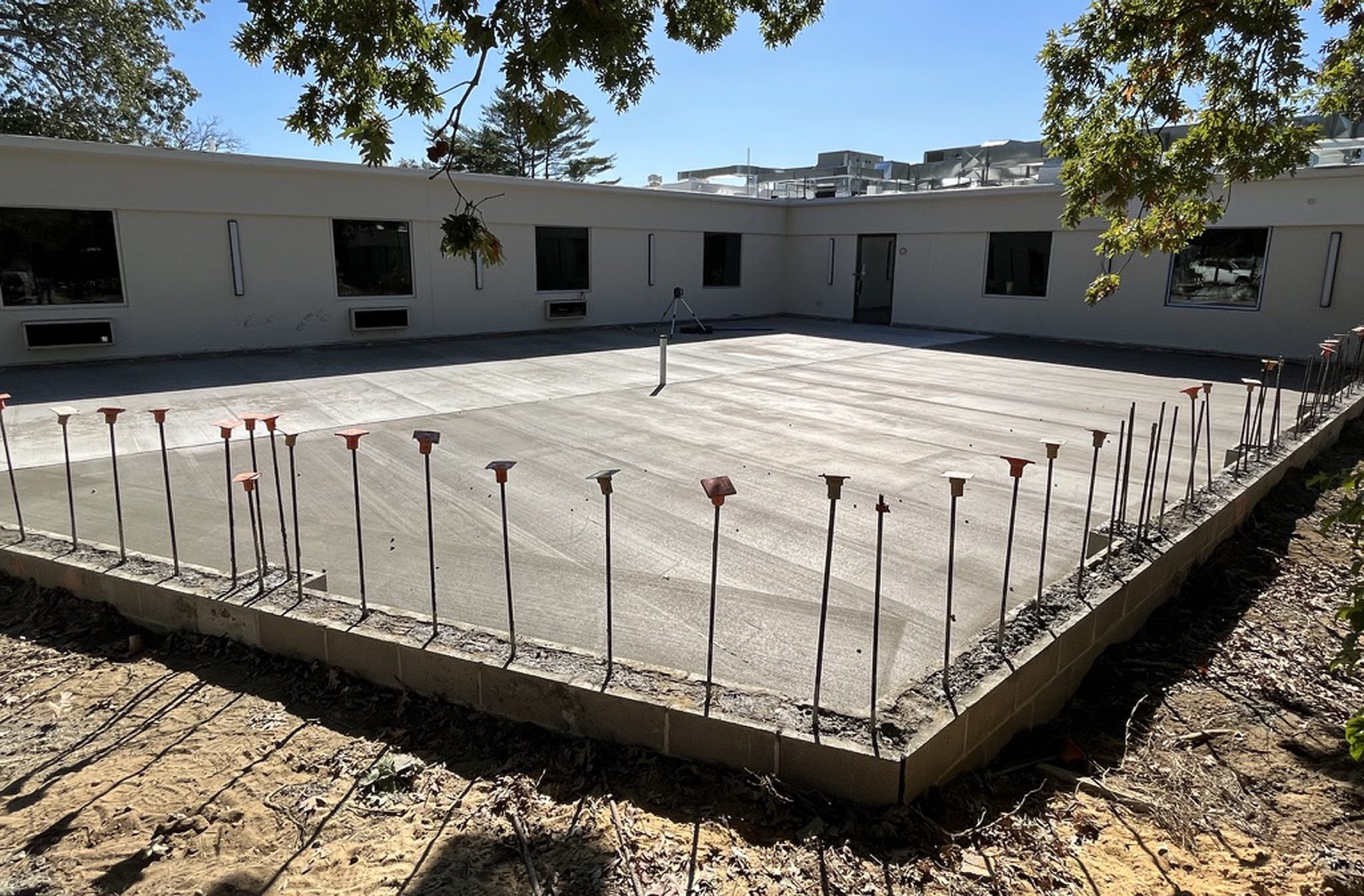

Water has a way of finding the smallest weakness in a house. A hairline crack in a foundation wall, a low spot in the yard, a clogged gutter elbow, a seam around a utility penetration, any one of those can become the path of least resistance after a hard rain. In New Jersey, where homes face heavy spring storms, summer downpours, autumn leaf buildup, and repeated winter freeze-thaw cycles, that risk stays on the table all year.
Foundation waterproofing is often treated like a one-time fix, usually after a basement already smells musty or a homeowner notices staining along the bottom of the wall. In practice, effective waterproofing is part diagnosis, part repair, and part water management strategy. The houses that stay dry over the long run are rarely the ones with the most expensive system. They are the ones where the source of water was identified correctly, the right method was chosen, and maintenance did not stop after the contractor left.
That is especially true when discussing Foundation Waterproofing NJ homes. Conditions vary sharply from one property to another. A 1920s fieldstone foundation in Essex County behaves very differently from a poured concrete basement in Monmouth County or a split-level on clay-heavy soil in Bergen County. Even two homes on the same street can have completely different water patterns based on grade, drainage, and prior renovations.
Why New Jersey homes are especially vulnerable
New Jersey gives foundations plenty to contend with. Some regions have dense clay soils that expand when saturated and shrink during dry periods. That movement places stress on foundation walls and opens cracks over time. Other areas have sandy or mixed soils that drain more freely but can still route water toward the house if the lot slopes the wrong way. Add older housing stock, mature landscaping, and a wide range of foundation types, and you end up with a state where generic waterproofing advice often misses the mark.
Freeze-thaw cycles are a major factor. Water seeps into tiny voids, temperatures drop, that water expands, and small defects become larger ones. This process repeats through winter, then spring rains expose the damage. It is common to see a basement stay dry for months and then suddenly show seepage after a sequence of snowmelt and rain. Homeowners often assume the problem appeared overnight. More often, the weakness had been developing quietly for years.
Another local issue is hydrostatic pressure. When soil around the house becomes saturated, water pushes against the foundation wall and floor. If there is no easy drainage path away from the structure, pressure builds. That is why even solid concrete can leak. The water is not defeating the material itself so much as exploiting joints, cracks, tie rod holes, cove seams, and penetrations.
I have seen basements where the owner spent thousands sealing interior walls with waterproof paint, only to watch water bubble that coating off after the next big storm. Paint has its place in a finished space, but it is not a substitute for controlling exterior water or relieving subsurface pressure.
The difference between damp proofing and true waterproofing
This distinction matters because many homeowners think they are getting full protection when they are not.
Damp proofing is designed to resist soil moisture. Waterproofing is designed to resist water under pressure. That difference is not just technical language. It affects materials, labor, drainage design, and performance.
On many new builds, the exterior foundation receives a simple coating before backfilling. That may meet minimum code or builder standard, but it does not automatically mean the home has a robust waterproofing system. Once water accumulates against the wall, basic coatings can be overwhelmed. True exterior waterproofing generally involves crack repair, a membrane or elastomeric barrier, proper drainage board or protection layer, footing drains, and thoughtful grading so water does not sit against the home in the first place.
For an older house, the challenge is ardwaterproofing.com Foundation Waterproofing NJ often bigger. Excavation may be limited by porches, patios, walkways, additions, neighboring homes, or property line restrictions. That is where judgment comes in. The best solution is not always the most comprehensive one on paper. It is the one that addresses the actual failure points within the constraints of the property.
Where water usually gets in
Water intrusion rarely needs a dramatic opening. It often enters in ordinary, predictable places that homeowners overlook because the symptoms show up several feet away from the real cause. A wet basement corner may be tied to a downspout discharge twenty feet away. Efflorescence on one wall may be linked to clogged footing drains on another side of the house.
The most common entry points include the cove joint where the wall meets the slab, shrinkage cracks in poured concrete, mortar deterioration in block or stone foundations, window wells that trap runoff, and poorly sealed service penetrations for gas, electric, or hose bibs. In finished basements, the warning signs may be subtle at first. Baseboards swell. Carpet feels humid. Paint blisters low on the wall. A dehumidifier fills faster than it should.
Sometimes the issue is not seepage through the wall at all. Condensation gets mistaken for leakage more often than people realize. Cool basement surfaces, humid summer air, uninsulated cold water lines, and inadequate ventilation can create moisture that looks like a waterproofing failure. A good inspection separates bulk water intrusion from indoor humidity problems, because the treatment is different.
Diagnosing the source before choosing the fix
The most expensive mistake in this field is solving the wrong problem. A basement can be wet for several reasons at once, and each one calls for a different response. Surface runoff is handled differently than groundwater. A structural crack is different from a leaking window well. Condensation is different from hydrostatic seepage.
A proper evaluation starts outside. Grade should fall away from the house. Gutters should carry roof water cleanly to downspouts, and those downspouts should discharge far enough away to matter. In many cases, the simplest improvement is extending discharge 10 to 15 feet from the foundation instead of letting it dump into a splash block that saturates the same soil over and over. Hardscape matters too. I have seen beautiful paver patios pitched subtly back toward the home, creating a textbook channel for water against the foundation.
Inside, the pattern of moisture tells a story. Water high on the wall often points to surface entry or an exterior crack. Water appearing at the floor edge after long rains often suggests pressure under or beside the slab. Rust marks on metal columns, white mineral deposits on masonry, and seasonal timing all help narrow the cause.
When homeowners call during a storm and say, "It only leaks when rain is really driving from the east," that detail is useful. When they say, "The sump runs every two minutes after snowmelt," that matters too. Good waterproofing recommendations come from these specifics, not from a canned package.
Exterior waterproofing, when you want to stop water before it enters
Exterior work is the most direct way to prevent intrusion because it addresses the problem at the source. The idea is straightforward: keep water from pressing against vulnerable foundation surfaces and give groundwater a controlled route away from the footing.
On homes where excavation is feasible, exterior waterproofing often includes exposing the wall, cleaning it thoroughly, repairing cracks and voids, applying a waterproof membrane, installing drainage board, and making sure perimeter drains are intact or replaced. If the original footing drains are crushed, clogged, or absent, no membrane alone will carry the whole load.
This method is disruptive and usually costs more than interior systems, but it solves certain conditions better than anything else. For a wall with recurring lateral seepage or multiple exterior defects, it can be the right investment. It is also the preferred route when preserving interior finishes is a priority and access outside is practical.
There are trade-offs. Excavation near decks, mature trees, gas lines, or tight lot lines can complicate the job. Some older foundations need a careful touch because aggressive excavation can destabilize soils temporarily. This is not a place for guesswork or bargain-bin crews.
Interior drainage systems, when managing water is the smarter move
Interior systems get dismissed by some people as merely "catching water after it enters," but that oversimplifies what they do. In many New Jersey basements, especially where exterior excavation is blocked or groundwater pressure is persistent, an interior perimeter drain tied to a sump pump is the most practical and durable answer.
These systems relieve hydrostatic pressure below the slab and at the wall-floor joint. Instead of asking the wall to remain completely dry under all conditions, the system intercepts water and moves it out before it reaches usable space. When installed correctly, they can perform very well. When installed poorly, with undersized pits, weak pumps, no battery backup, or sloppy concrete patching, they become expensive disappointments.
A sump pump deserves more respect than it usually gets. It is the heart of many waterproofing systems, yet homeowners often cannot tell you its age, capacity, or whether it has backup power. During severe storms, power outages and peak groundwater events often happen together. A dead primary pump without backup can turn a manageable water issue into a major cleanup within hours.
Crack repair is not one-size-fits-all
Foundation cracks cause understandable anxiety. Some are mainly water-entry problems. Others signal structural movement. The difference matters.
In poured concrete, non-structural shrinkage cracks can often be addressed with injection methods, typically epoxy or polyurethane depending on whether structural bonding or flexible sealing is needed. In block foundations, water may travel through cells and mortar joints, making the path harder to isolate. Stone and brick foundations require still more judgment because old materials breathe differently and repairs need to respect that behavior.
A common mistake is overreacting to every crack or, just as bad, ignoring movement because the basement "has always been like that." Horizontal cracking, bowing, step cracks in masonry, or doors and windows above that begin sticking can point to pressure or settlement issues beyond ordinary seepage. Waterproofing and structural repair sometimes overlap, but they are not interchangeable. If the wall is moving, water control alone is not enough.
Grading, gutters, and the unglamorous fixes that work
Some of the highest-value waterproofing improvements are not dramatic. They are the kind of corrections that a homeowner can see every day but may underestimate because they look too simple.
Here are the exterior basics that prevent many basement problems before they start:
- Keep gutters clear, especially in late fall when leaf buildup is heaviest.
- Extend downspouts far enough that roof runoff does not soak the foundation perimeter.
- Maintain positive grade so soil slopes away from the house, not back toward it.
- Watch planting beds and mulch levels, which can trap moisture against siding and foundation walls.
- Check window wells for debris, clogged drains, and settlement around the edges.
I once walked a property where the basement had leaked three times in two years, always along the same rear wall. The owner was convinced the foundation needed major excavation. The actual culprit was a pair of buried downspout extensions that had separated underground. Every storm was dumping roof water directly beside the footing. Repairing that discharge path and restoring grade solved the problem at a fraction of the expected cost.
That kind of outcome is not rare. It is one reason a thorough site review is worth more than a rushed sales visit with a preprinted estimate.
Seasonal waterproofing in New Jersey
A year-round approach makes more sense than waiting for visible water. Each season creates its own weak points.
Spring exposes winter damage. Snowmelt, rising groundwater, and long-duration rains test sump pumps and footing drains. This is when cove seepage and floor moisture often show up.
Summer brings humidity, sudden cloudbursts, and condensation issues in finished basements. A basement can feel damp even when liquid water is not entering. Dehumidification, insulation choices, and air sealing matter here.
Autumn is a maintenance season. Falling leaves clog gutters and strain drainage systems just before winter. This is the best time to clear downspouts, inspect grading, and check pump operation before freezing conditions arrive.
Winter creates the slow damage cycle many people do not notice. Frozen discharge lines, ice buildup at downspout exits, and repeated expansion in cracks all set the stage for spring leaks. If a sump discharge freezes solid, the pump may keep running with nowhere to send water, eventually burning out or causing backup.
For homeowners managing Foundation Waterproofing NJ conditions, the calendar matters almost as much as the construction details.
Waterproofing older homes versus newer homes
Older homes often come with porous masonry, shallow footings, fieldstone walls, and patchwork repairs from different eras. They may never have had modern perimeter drainage. These properties need nuanced work. Completely sealing an old wall from the interior can sometimes trap moisture in ways that speed deterioration elsewhere. Breathability, mortar type, and wall condition all have to be considered.
Newer homes usually have different issues. The concrete may be sound, but settlement cracks, improperly installed drains, inadequate grading after construction, or builder-grade coatings can create trouble. Finished basements add another layer of risk because hidden moisture can damage insulation, framing, flooring, and air quality before the homeowner notices a visible leak.
A broad rule holds up well: older foundations reward patience and diagnosis, newer foundations reward careful verification. Neither should be treated with assumptions.
What homeowners should ask before hiring a waterproofing contractor
A strong proposal should explain not only what will be installed, but why that approach fits the property. If every home receives the same recommendation, that is a warning sign.
Ask questions that reveal whether the contractor has truly diagnosed the issue:
- Where is the water coming from, and what evidence supports that?
- Is the problem surface runoff, groundwater pressure, cracks, or a combination?
- What maintenance will the system require over time?
- What happens if the power goes out during a storm?
- Will this solution manage the symptom, the source, or both?
Good contractors can answer plainly. They should also be candid about limitations. For example, an interior system can protect the basement very effectively while doing nothing to keep the outside face of the wall dry. That may be acceptable on one house and not on another. Honest trade-off discussions are a sign of competence, not weakness.
Cost, value, and the temptation to under-scope the job
Waterproofing costs vary widely because the scope varies widely. A simple crack repair is not in the same category as full exterior excavation with drain replacement. An interior perimeter system with sump and backup power sits somewhere in between depending on basement size and access.
The cheapest bid often leaves out the details that determine whether the fix lasts. Pump quality, battery backup, discharge routing, wall repair prep, cleanout access, and warranty terms all matter. So does the contractor’s willingness to address contributing conditions like grade and gutter discharge instead of pretending the basement exists in isolation.
There is also such a thing as overspending. Not every damp basement needs a full perimeter system, and not every isolated seepage point justifies excavation. The best value comes from matching the scope to the cause. That sounds obvious, but it is surprisingly uncommon in practice.
Moisture control after the waterproofing work is done
Even after the main intrusion path is corrected, basements need moisture management. Below-grade spaces naturally run cooler, and that can invite condensation during humid months. A reliable dehumidifier, insulated cold pipes, sealed rim joists where appropriate, and moisture-tolerant finishing materials all reduce the chance of future headaches.
If a basement is being remodeled, product selection matters. Organic materials placed directly against masonry can absorb residual moisture and foster mold growth. Flooring with a small air gap or moisture barrier detail typically performs better than wall-to-wall carpet in a basement that has any history of dampness. Paint choices matter less than most people think. Surface coatings are finishing touches, not waterproofing systems.
One of the smartest habits is simple observation. After major rain, take ten minutes to walk the exterior and basement. Look for pooling, overflowing gutters, pump discharge, wet spots, and changes in wall appearance. Homeowners who do this catch small failures early, before they become expensive repairs.
The practical standard for a dry basement
A dry basement is not just one that survives an average rain. It is one that holds up during the ugly weather, the back-to-back storms, the thaw after a deep freeze, the weekend power outage, and the neglected gutter episode that happens in real life. That level of performance comes from layered protection, not wishful thinking.
For most New Jersey properties, effective waterproofing means combining methods. Manage roof runoff. Correct grade. Repair cracks appropriately. Use drainage, exterior or interior, where pressure demands it. Maintain pumps and backups. Recheck seasonally. That approach is less flashy than miracle coatings or one-size-fits-all systems, but it works.
When homeowners think about Foundation Waterproofing NJ, they are often focused on the immediate problem, a wet corner, a musty smell, a puddle after rain. The larger goal is resilience. Water will keep testing the house. Good waterproofing makes sure the house passes that test in January, in April, in August, and in every storm season that follows.
ARD Waterproofing
Address: 98 Smull Ave, West Caldwell, NJ 07006
Phone number: +12016465936
FAQ About Foundation Waterproofing NJ
What is the best way to waterproof a foundation?
The best way to waterproof a foundation is from the exterior, combining a continuous elastomeric or rubberized membrane, a drainage mat, and a perforated perimeter drain (French drain) to intercept water before it ever touches the wall.
What is the average cost to waterproof a foundation?
The average cost to waterproof a foundation ranges from $1,886 to $5,946 nationally, though full-scale projects can run anywhere from $5,000 to $25,000+ depending on whether you choose interior or exterior methods.
How can I make my foundation waterproof?
True exterior foundation waterproofing stops water before it touches your concrete or masonry. It differs from basic damp-proofing, which only keeps out moisture vapor rather than standing water or hydrostatic pressure.